A Family Guide to Selecting Safe and Comfy Elderly Care Houses
Business Name: BeeHive Homes of Goshen
Address: 12336 W Hwy 42, Goshen, KY 40026
Phone: (502) 694-3888
BeeHive Homes of Goshen
We are an Assisted Living Home with loving caregivers 24/7. Located in beautiful Oldham County, just 5 miles from the Gene Snyder. Our home is safe and small. Locally owned and operated. One monthly price includes 3 meals, snacks, medication reminders, assistance with dressing, showering, toileting, housekeeping, laundry, emergency call system, cable TV, individual and group activities. No level of care increases. See our Facebook Page.
12336 W Hwy 42, Goshen, KY 40026
Business Hours
Choosing an elderly care home for a parent or relative is among those decisions you feel in your stomach as much as in your head. Families worry about security, dignity, cost, and guilt, often at one time. I have actually sat at cooking area tables with adult kids who were tired from caregiving and terrified of making a mistake, and I have actually walked hallways with older grownups who were quietly examining whether a location might ever feel like home.
Good senior care is definitely possible, however it is not automatic. It takes cautious questioning, duplicated observation, and a truthful take a look at your loved one's requirements today and likely requirements in the near future. The objective is not to find the "perfect" place, since that rarely exists, however to find a safe and comfy environment with the ideal level of assistance and a culture that appreciates older grownups as individuals.
This guide will walk through how to think of options, what to look for beyond the sales brochures, and how to stabilize security with quality of life.
Starting with your household's genuine situation
Families typically start the search when something has actually already gone wrong: a fall, a hospitalization, a roaming incident, a caretaker burnout minute. That urgency can push individuals into quick decisions. Before touring any elderly care homes, pause and take a tough look at your present situation.
Ask yourself, and if possible your loved one, questions like these: What are the specific difficulties we deal with weekly? What is actually risky versus just bothersome? Just how much aid is needed with bathing, dressing, medications, mobility, and meals? Exist memory problems that create risks, like leaving the range on or getting lost outside? Who is currently offering care, and how sustainable is that?
Families often underestimate needs since they do not want to "institutionalize" a loved one. Others overestimate, thinking that one tough night indicates day-and-night nursing forever. Try to document what really occurs over a typical week. If a parent insists they are great but you regularly find spoiled food in the refrigerator, piles of unopened mail, or evidence of falls, element that truth into your planning.
Clear understanding of needs is the foundation for selecting the best level of senior care, whether that is assisted living, respite care, memory care, or proficient nursing.
Understanding the different kinds of care homes
People typically utilize "nursing home" as a catch-all term, however the market has unique classifications. Selecting the wrong level can either lose cash on unneeded care or leave somebody in an environment that can not keep them safe.
Assisted living
Assisted living communities concentrate on older adults who can no longer live separately without some aid, however who do not require 24 hr healthcare. Personnel assist with activities of daily living such as bathing, toileting, dressing, medications, and meals. Many deal housekeeping, transportation, and social activities.
The finest assisted living settings encourage locals to do as much as they safely can. Independence, even in small jobs, maintains self-respect and slows decrease. A red flag is a neighborhood where citizens look uniformly passive, with personnel doing whatever for them merely due to the fact that it is faster.
Memory care
Memory care units or devoted neighborhoods serve those with dementia or significant cognitive disability. Precaution are stronger: secured doors, alarmed exits, clear signage, streamlined designs, and personnel trained to handle behaviors such as agitation or wandering.
Not everyone with mild forgetfulness requires official memory care. It ends up being strongly indicated when there is a real threat of roaming, regular confusion about time and location, or problem following instructions that are required for safety.
Skilled nursing facilities
Skilled nursing facilities provide the highest level of medical support outside a healthcare facility. They are structured around 24 hr nursing care, routine physician oversight, and rehab services such as physical, occupational, and speech treatment. They are proper for individuals with intricate medical conditions, regular requirement for scientific interventions, or severe physical limitations.
A common mistake is positioning a fairly social, physically capable older adult in long term skilled nursing care entirely due to household worry. They then discover themselves surrounded mainly by much frailer homeowners and can decline rapidly due to seclusion. When possible, match to the least restrictive setting that can safely fulfill medical needs.
Respite care
Respite care refers to short term remains in an assisted living or skilled nursing center. Households use respite care when a main caretaker needs rest, need to take a trip, or is dealing with their own health problem. Many communities provide respite remains ranging from a couple of days to numerous weeks.
Respite care has 2 extra uses. It lets you "test drive" a neighborhood before committing to long term placement, and it helps evaluate how your loved one reacts to structured senior care. Somebody who at first refuses the idea of moving may in fact delight in the social interaction and regular meals once they attempt it.
Safety: non‑negotiables you should verify
Brochures yap about chandeliers and chef ready meals. Those can matter, but safety is the standard. If you can not verify that the environment and practices are safe, absolutely nothing else compensates.
Staffing and supervision
Staffing levels vary by time of day and by care level. Ask particular questions, such as the number of caregivers are on responsibility in the evening per variety of locals in the assisted living wing, or what the nurse to resident ratio is on the knowledgeable nursing side.
More personnel does not instantly mean better care, but chronically low staffing makes overlook nearly inescapable. During a visit, notice how rapidly personnel react to call lights. Do you hear unanswered bells often? Do locals look well groomed, or do you see numerous disheveled people waiting in wheelchairs along the halls?
Also inquire about staff turnover. If many caregivers have been there less than a year, the facility may battle with management, earnings, or culture. Stable teams typically deliver more constant elderly care due to the fact that they understand the residents and their routines.
Fall prevention and mobility support
Falls are one of the primary hazards to older adults in any setting. Look at flooring, lighting, handrails, and the presence of grab bars in bathrooms. Ask whether they carry out specific fall threat assessments and how typically they upgrade them.
A subtle but crucial point: some neighborhoods overreact to fall risk by restricting movement excessive. They keep homeowners in wheelchairs all the time, or dissuade strolling "for security". This can cause muscle loss, even worse balance, and much more falls. The best environment utilizes physical therapy, walking programs, and appropriate assistive devices to keep people moving as securely as possible.
Medication management
Medication mistakes can be harmful. Inquire about how medications are purchased, saved, and administered. Are there double checks for modifications after hospitalizations? How are high risk medications like blood slimmers or insulin handled? Who is allowed to administer them, and what training do they receive?
Families who have actually handled complicated tablet schedules in the house sometimes feel relieved to hand this over. That is reasonable, however remain involved. Request routine medication examines with the nurse or pharmacist, especially if you discover brand-new sleepiness, confusion, or falls.
Infection control
The pandemic brought infection control into sharp focus, however even in regular times, older adults are susceptible to flu, pneumonia, and other infections. Walk and look at tidiness. Are common areas and bathrooms noticeably maintained? Do staff wash or sterilize their hands in between locals? How do they handle outbreaks of flu or norovirus?
You are not expected to be an infection control professional, however you can inform if a company takes hygiene seriously. A center that smells constantly of urine, for instance, is transmitting a problem.
Comfort and lifestyle: beyond safety
Once you are confident about security, shift attention to whether somebody could genuinely live, not simply exist, in this setting. Elders are not simply patients. They are people with histories, preferences, and stubborn habits.
Physical environment
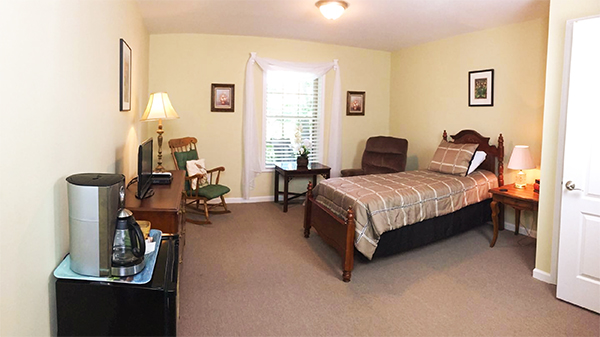
Look at the spaces and common locations through your loved one's eyes. Could they customize the space with familiar furniture or photos? Are there peaceful areas as well as busier lounges, so introverts have an escape? Can locals go outside quickly, or is the garden a locked masterpiece nobody can access without staff?
Noise level matters more than households typically understand. Continuous loud televisions, yelled discussions at the nurse station, or frequent overhead statements can wear individuals down, especially those with hearing loss or dementia.
Daily regimens and autonomy
Ask how versatile regimens are. Some elderly care homes are firmly set up: breakfast at 8, medications at 9, group exercise at 10, and so on. Others permit more individual choice. Consider your relative's character. A former instructor who liked structure might take pleasure in a regular schedule, while a long-lasting night owl may feel bitter being woken each morning at 6 for vitals.
Autonomy shows up in small things. Can homeowners decide when to bathe and what to use? Can they decrease activities without being identified "non certified"? Excellent senior care aspects "no" as a legitimate answer other than in real safety situations.
Food and social life
Food is more than nutrition, it is convenience and social connection. If possible, eat a meal there. Taste the food, watch how personnel interact in the dining room, and see whether homeowners talk with each other or eat in silence.
Social activities need to be more than bingo and tv. Search for variety: music, art, discussions, mild workout, religious services if relevant, and chances for citizens to contribute, not simply consume. Among the very best assisted living communities I dealt with had residents running a small library cart for their neighbors, which provided function and daily interaction.
Preparing before you tour a community
Walking into a care home for the very first time can feel overwhelming. A little bit of preparation assists you focus on what matters instead of getting sidetracked by décor.
Here is a succinct preparation list you can adjust to your family.
- Write down a clear list of your loved one's daily requirements, medical diagnoses, and any habits that stress you, so you can describe them consistently at each community.
- Gather information about your spending plan, consisting of earnings, savings, insurance coverage, and whether long term care insurance or veterans advantages might apply.
- Decide which member of the family will join tours and who has final decision authority, to prevent confusion or dispute in front of staff.
- Prepare a short list of non negotiables, such as distance to household, existence of memory care, or ability to accommodate unique diets.
- Bring a notebook or utilize your phone to record impressions right away after each visit, while details are still fresh.
When communities see that you are ready, they are more likely to treat you as partners instead of passive consumers. It likewise keeps you from forgetting essential concerns when you are standing in a busy hallway.
What to watch for throughout visits
Tours are developed to highlight strengths, so you will see the best rooms and the majority of enthusiastic staff. Your job is to look sideways at what is not being showcased and discover how the location operates when nobody is attempting to impress you.
Pay attention to how personnel talk about residents. Do they utilize first names and warm tones, or do you hear phrases like "feeders" and "2 individual lift in 204"? Language exposes culture. Quickly chat with citizens and, if proper, their visiting families. Ask open questions such as "The length of time have you been here?" or "What do you like about living here?"
Observe the rate of life. A little mayhem is regular in any human neighborhood, but consistent rushing or noticeable aggravation in personnel typically indicates persistent understaffing or poor leadership. Alternatively, a place that feels lifeless, with residents dropped in wheelchairs lining the walls, recommends dullness and absence of engagement.
If possible, visit once without a visit. You may not get a complete tour, however you will see a more common photo. Getting here mid afternoon instead of just throughout the lunch hour can show you how the neighborhood deals with "in between" times.
Understanding contracts, costs, and what is included
The financial side of elderly care frequently surprises families. Assisted living normally charges a base rent plus care costs that increase with the level of help required. Skilled nursing has day-to-day rates, with different funding sources such as personal pay, Medicaid, or insurance coverage covered rehab days.
Read the agreement closely. Important concerns consist of whether the community can care for your loved one if they decline, or if they will eventually need a transfer to another facility. Some assisted living settings can not manage incontinence, feeding help, or late stage dementia. Others use "aging in place" with finished assistance, sometimes at substantially higher cost.
Clarify what is included in the base rate. Housekeeping, fundamental cable, and standard meals are generally covered, but things like transportation to consultations, in room phones, personal care items, and treatments may be billed independently. Request sample month-to-month billings, stripped of identifying details, to see how charges are detailed in real life.
Financial transparency is as much a trust problem as a mathematics issue. Neighborhoods that avoid direct answers on costs or pressure you to sign quickly "before rates go up" should have additional scrutiny.
Common warnings that require caution
Families often ask what need to make them leave a facility. Some concerns are more flexible than others, however a few patterns are consistent warnings.
- Strong, consistent gives off urine or feces throughout common areas, recommending persistent cleansing or staffing issues rather than a single incident.
- Staff who speak harshly to citizens, ignore call lights, or appear noticeably stressed out, rolling their eyes or complaining about workloads in front of you.
- Vague or protective responses when you ask about staffing ratios, incident reporting, or state examination results, particularly if directories show recent major violations.
- Residents who appear unkempt, with long nails, filthy clothes, or obvious weight reduction, indicating that standard personal care and nutrition might be neglected.
- High leadership turnover, such as multiple administrators or directors of nursing leaving within a short duration, which often destabilizes the entire operation.
If you see among these, you can raise it nicely and see how the community reacts. Sincere acknowledgment and a concrete strategy bring more weight than glossy assurances. If you see several of these integrated, look elsewhere.
Involving your loved one in the decision
Sometimes the older adult eagerly wants to move, generally when they feel lonely or overloaded in your home. More frequently, they feel distressed or resistant, specifically if the conversation starts late in the process.
Try to involve them from the beginning, within the limitations of their cognitive capability. Ask how they envision a great living scenario, what they fear the most, and what comforts they would dislike to quit. A parent might state their garden is everything to them, or that they can not sleep without their pet at their feet. Those information help you prioritize functions like outside space or family pet friendly policies.
Be honest about the risks of staying home without sufficient support. Sugarcoating truth hardly ever builds trust. At the exact same time, prevent presenting the move as something "we are doing to you". Framing it as a shared problem to fix can reduce defensiveness. For instance, "We are stressed over your security on the stairs. Let us look together at some places where you could be safer however still see us frequently."
When dementia is advanced, joint choice making may look more like using small, significant choices within a larger strategy, such as choosing room colors or favorite photos to hang.
Managing the transition and the first ninety days
Even in the best assisted living or nursing facility, the relocation itself is disruptive. Individuals leave familiar surroundings, routines, and neighbors behind. Expect an adjustment period of a number of weeks to a couple of months.
Families typically feel lured respite care beehivehomes.com to visit continuously for the first couple of days, then quickly step back. A steadier method normally works better. Visit regularly but permit personnel to build their own relationships with your loved one. If every need is fulfilled only by family, the resident may struggle to incorporate. On the other hand, complete withdrawal can feel like abandonment.
Make the space feel individual from the start. Bring pictures, favorite blankets, a familiar chair if area enables, and small products that bring psychological weight, such as a bedside lamp or a well used book. Coordinate with personnel about any security restraints before bringing electronic devices or furniture.
During the first ninety days, take note of mood, sleep, appetite, and physical function. A bit of decrease prevails while someone adapts, however persistent worsening should have attention. Share concerns early with the care group rather than waiting on official care strategy conferences. You are allowed to request for adjustments to routines, showers, or activities.
One practical strategy is to maintain an easy communication notebook in the room where family and staff leave quick updates. This supports continuity throughout shifts and among far flung relatives.
Balancing safety, self-respect, and realism
Every household wrestles with trade offs. A highly medicalized setting may make the most of physical security but leave an active older adult unpleasant. A dynamic assisted living neighborhood might thrill a social parent however struggle as soon as their dementia progresses. Cash, location, and household dynamics all develop real constraints.
Strive for a balance that respects both safety and self-respect. Ask, "What dangers are we attempting to prevent, and at what expense to life?" Sometimes accepting a small, managed threat, such as allowing a resident to continue using a walker rather of restricting them to a wheelchair, offers big advantages to self esteem and happiness.

Finally, do not deal with the choice as long-term and unchangeable. Senior care needs evolve. An elderly care home that fits well today may not be ideal in 3 years. Stay engaged, observe with clear eyes, and be willing to reassess if circumstances change.
Families who approach this process with curiosity, determination, and a determination to ask difficult concerns tend to find options that support both safety and convenience. The goal is not to develop a bubble of perfect protection, however to assist your loved one live as fully as possible, in a location where they are known, respected, and cared for.
BeeHive Homes of Goshen provides assisted living care
BeeHive Homes of Goshen provides memory care services
BeeHive Homes of Goshen provides respite care services
BeeHive Homes of Goshen supports assistance with bathing and grooming
BeeHive Homes of Goshen offers private bedrooms with private bathrooms
BeeHive Homes of Goshen provides medication monitoring and documentation
BeeHive Homes of Goshen serves dietitian-approved meals
BeeHive Homes of Goshen provides housekeeping services
BeeHive Homes of Goshen provides laundry services
BeeHive Homes of Goshen offers community dining and social engagement activities
BeeHive Homes of Goshen features life enrichment activities
BeeHive Homes of Goshen supports personal care assistance during meals and daily routines
BeeHive Homes of Goshen promotes frequent physical and mental exercise opportunities
BeeHive Homes of Goshen provides a home-like residential environment
BeeHive Homes of Goshen creates customized care plans as residents’ needs change
BeeHive Homes of Goshen assesses individual resident care needs
BeeHive Homes of Goshen accepts private pay and long-term care insurance
BeeHive Homes of Goshen assists qualified veterans with Aid and Attendance benefits
BeeHive Homes of Goshen encourages meaningful resident-to-staff relationships
BeeHive Homes of Goshen delivers compassionate, attentive senior care focused on dignity and comfort
BeeHive Homes of Goshen has a phone number of (502) 694-3888
BeeHive Homes of Goshen has an address of 12336 W Hwy 42, Goshen, KY 40026
BeeHive Homes of Goshen has a website https://beehivehomes.com/locations/goshen/
BeeHive Homes of Goshen has Google Maps listing https://maps.app.goo.gl/UqAUbipJaRAW2W767
BeeHive Homes of Goshen has Facebook page https://www.facebook.com/beehivehomesofgoshen
BeeHive Homes of Goshen won Top Assisted Living Homes 2025
BeeHive Homes of Goshen earned Best Customer Service Award 2024
BeeHive Homes of Goshen placed 1st for Senior Living Communities 2025
People Also Ask about BeeHive Homes of Goshen
What does assisted living cost at BeeHive Homes of Goshen, KY?
Monthly rates at BeeHive Homes of Goshen are based on the size of the private room selected and the level of care needed. Each resident receives a personalized assessment to ensure pricing accurately reflects their care needs. Families appreciate our clear, transparent approach to assisted living costs, with no hidden fees or surprise charges
Can residents live at BeeHive Homes for the rest of their lives?
In many cases, yes. BeeHive Homes of Goshen is designed to support residents as their needs change over time. As long as care needs can be safely met without requiring 24-hour skilled nursing, residents may remain in our home. Our goal is to provide continuity, comfort, and peace of mind whenever possible
How does medical care work for assisted living and respite care residents?
Residents at BeeHive Homes of Goshen may continue seeing their existing physicians and medical providers. We also work closely with trusted medical organizations in the Louisville area that can provide services directly in the home when needed. This flexibility allows residents to receive care without unnecessary disruption
What are the visiting hours at BeeHive Homes of Goshen?
Visiting hours are flexible and designed to accommodate both residents and their families. We encourage regular visits and family involvement, while also respecting residents’ daily routines and rest times. Visits are welcome—just not too early in the morning or too late in the evening
Are couples able to live together at BeeHive Homes of Goshen?
Yes. BeeHive Homes of Goshen offers select private rooms that can accommodate couples, depending on availability and care needs. Couples appreciate the opportunity to remain together while receiving the support they need. Please contact us to discuss current availability and options
Where is BeeHive Homes of Goshen located?
BeeHive Homes of Goshen is conveniently located at 12336 W Hwy 42, Goshen, KY 40026. You can easily find directions on Google Maps or call at (502) 694-3888 Monday through Sunday 7:00am to 7:00pm
How can I contact BeeHive Homes of Goshen?
You can contact BeeHive Homes of Goshen by phone at: (502) 694-3888, visit their website at https://beehivehomes.com/locations/goshen/, or connect on social media via Facebook
Conveniently located near Beehive Homes of Goshen Cinemark Tinseltown Louisville a great movie theater with full food & drink menu. Catch a movie and enjoy some great food while you wait.